Closing the Healthcare Member Experience Gap: Why Access and Ease of Use Matter
A healthcare benefit can look valuable on paper and still be difficult to use in everyday life. A member may have access to an over-the-counter (OTC) allowance, healthy food benefits, or wellness rewards but struggle to understand what is covered, where to use the benefit, or what to do next.
That disconnect matters. For Medicare Advantage and Medicaid health plans, improving the member experience in healthcare is not just about offering more benefits. It is about helping people understand, access, and confidently use the benefits already available to them.
Closing the member experience gap starts with a simple question: Can members turn the benefits they have into actions that fit their lives?
The Gap Between Offering a Benefit and Using It
Consider a member who receives a healthy foods allowance. The member knows funds are available but cannot tell which purchases qualify, whether a nearby retailer participates, or how to check the remaining balance. The benefit exists, yet its value is difficult to realize.
The same friction can appear when someone tries to purchase eligible OTC products or earn a reward for a preventive health activity. Each extra step introduces uncertainty—and another opportunity for the member to abandon the task or call for help.
This is the healthcare member experience gap: the distance between a benefit being offered and a member being able to use it successfully. It often emerges at three connected moments: understanding what is available, finding a convenient way to access it, and completing the action with confidence.
Why Access and Ease of Use Matter for Health Plans
For members, convenience is not a luxury. Knowing which items are eligible, where a benefit card works, and how to view a balance can determine whether the program feels supportive or frustrating. The experience should also accommodate people who prefer help by phone or who face transportation, mobility, language, or digital-access barriers.
For health plans, these everyday moments can influence more than satisfaction. Confusing instructions, unclear eligibility, and difficulty completing transactions may create repeat service contacts and make it harder to understand whether a benefit program is meeting its intended purpose. Improving usability helps plans address friction while gaining a clearer picture of member engagement and supplemental benefit utilization.
Importantly, a digital tool alone does not solve every barrier. The goal is an experience that works across communications, shopping options, benefit technology, and human support.
Five Ways to Close the Member Experience Gap
1. Make Benefits Easy to Understand Before Members Need Them
Benefit communications should answer four basic questions in plain language: What do I have? What can I use it for? Where can I use it? And how do I get help?
Health plans can reinforce those answers at onboarding and throughout the benefit period with concise examples, eligibility guidance, reminders, and accessible support. Clear communication is particularly important when benefit categories, spending limits, and eligible products vary by plan.
2. Bring Benefits Closer to Members’ Everyday Routines
Access improves when members have practical ways to use the support their plan offers. For example, OTC supplemental benefits can help eligible members purchase everyday health essentials, while healthy foods benefits can support access to qualifying groceries. The availability of each benefit depends on the member’s plan and eligibility.
Retail choice is one part of that equation. InComm Healthcare’s OTC Network® connects members to more than 70,000 participating retail locations, alongside options such as online, phone, and mail ordering for applicable programs. That flexibility gives health plans ways to meet different member needs rather than relying on a single shopping experience.
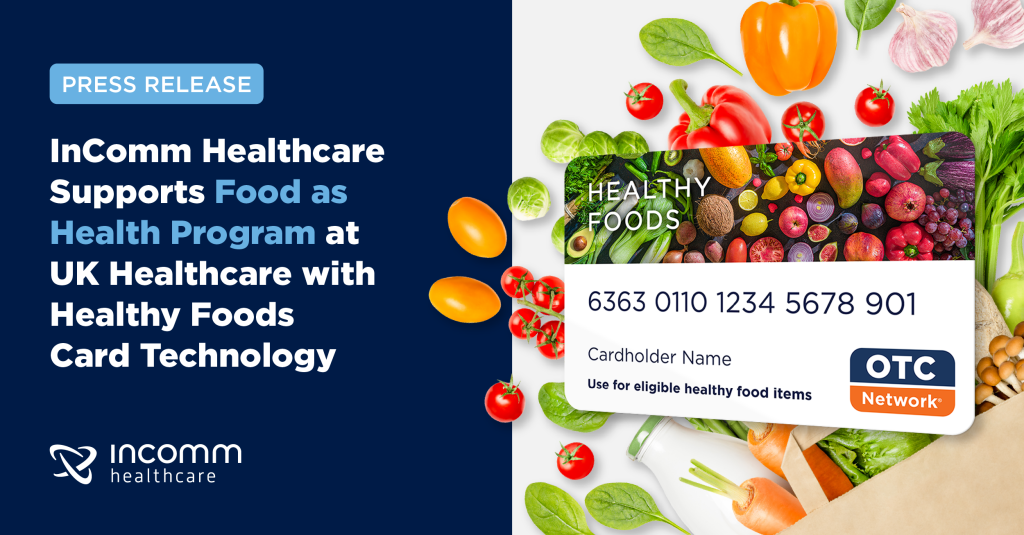
A real-world example is InComm Healthcare’s collaboration with UK HealthCare on its Food as Health Program, which uses restricted-spend healthy foods card technology to help eligible participants purchase approved nutritious foods at participating retailers.
3. Reduce Friction Across Multiple Benefits
Members should not have to become experts in separate benefit programs to use them. When OTC allowances, healthy foods, and other eligible supplemental benefits are offered together, a coordinated experience can make benefit management simpler.
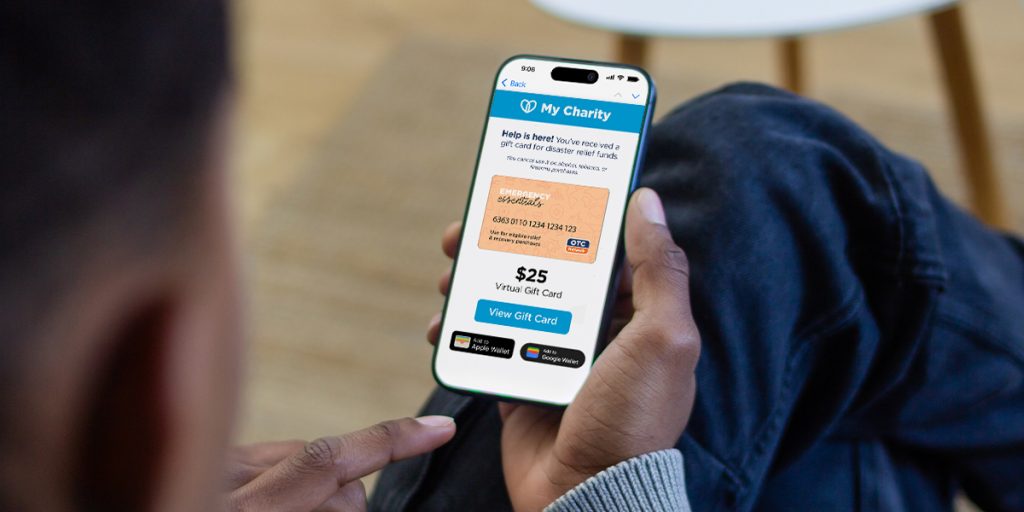
For Medicare Advantage plans, flexible supplemental benefit card solutions can support multiple benefit categories on one card. Member-facing tools such as My Benefits Center can provide a place to check available balances, identify eligible products, and locate participating retailers. The principle is straightforward: make the next step visible and easy.
4. Make Wellness Rewards Relevant and Easy to Act On
Wellness incentives can help bring preventive health activities into focus, but the experience should connect the action, the reward, and its use. Members need to understand which activities qualify, how completion is recognized, and what happens after a reward is earned.
Interest in rewards is evident in InComm Healthcare’s wellness rewards research: 93% of surveyed Medicaid members and 78% of surveyed Medicare members said they would be more satisfied with a health plan that offered rewards. That finding highlights the importance of making incentives meaningful—and making participation clear.
Solutions such as My Rewards support health plans in connecting eligible activities, including checkups and screenings, with personalized incentives. For Medicaid health plans, that may also mean designing outreach and reward choices around the populations and health priorities they serve.
5. Connect Member Convenience With Operational Simplicity
A better front-end experience also depends on what happens behind the scenes. Member service teams need dependable benefit and card information; digital experiences need consistent details; and health plans need tools to understand where members run into trouble.
Healthcare APIs can help plans connect benefit functions to their existing portals and support workflows, including card and wallet management, member information, transactions, and product tools. The goal is not technology for its own sake. It is to make information easier to find and actions easier to complete, while maintaining appropriate program controls.
Measure Whether Members Can Actually Use Their Benefits
Traditional engagement metrics do not always reveal why a member struggles. Health plans can build a more actionable view by measuring the steps between eligibility and successful use:
- Benefit awareness and understanding: Do members know what is available and how it works?
- Activation and first use: How many eligible members successfully begin using a benefit?
- Transaction experience: Where do members encounter declined or incomplete purchases, and why?
- Rewards participation: How many members complete eligible activities and then use the rewards earned?
- Support and satisfaction: Which questions generate repeat contacts, and how easily are issues resolved?
These measures can help teams prioritize improvements and assess whether changes make benefits more usable. They also provide a stronger basis for evaluating member experience than benefit availability alone.
Better Member Experiences Start With Everyday Moments
The member experience gap is rarely one dramatic failure. More often, it is a series of small obstacles: an unfamiliar benefit, an unanswered eligibility question, a confusing checkout experience, or a reward that feels disconnected from the activity that earned it.
Health plans can close that gap by designing around real member needs—clear information, convenient access, intuitive tools, relevant incentives, and dependable support. When those elements work together, supplemental benefits become easier to understand and more practical to use.
Explore how InComm Healthcare helps health plans connect supplemental benefits, wellness rewards, and member-friendly technology to create simpler, more accessible experiences.
You May Also Be Interested In