Digital and Card-Based Healthcare Benefits: Making Member Access Easier
A healthcare benefit is only valuable when a member can use it with confidence. A supplemental benefit card might cover everyday health essentials, but questions can arise at every step: Which purchases are eligible? Where can the card be used? How can a member check a balance or get help if a transaction does not go through?
For Medicare Advantage and Medicaid health plans, the answer is not simply to replace physical cards with digital ones. It is to connect the right delivery methods, shopping options, and support tools so members can use the benefits available through their plans. A combination of card-based access and thoughtful digital experiences can make supplemental benefits easier to navigate without leaving members who prefer traditional options behind.
Member access starts with practical choices
Members do not all interact with their health plans in the same way. Some are comfortable using a mobile app to review benefit information. Others prefer a physical card at checkout, ordering by phone, or speaking with a representative. A single-channel approach can introduce barriers, even when the underlying benefit is generous.
A more member-centered approach considers what happens from benefit activation to the first successful purchase. The design should make it easy to identify eligible items, find a convenient place to shop, complete a transaction, and resolve questions when they arise. This is especially important for plan-sponsored allowances that can vary by member eligibility and program rules.
Why physical healthcare benefit cards still matter
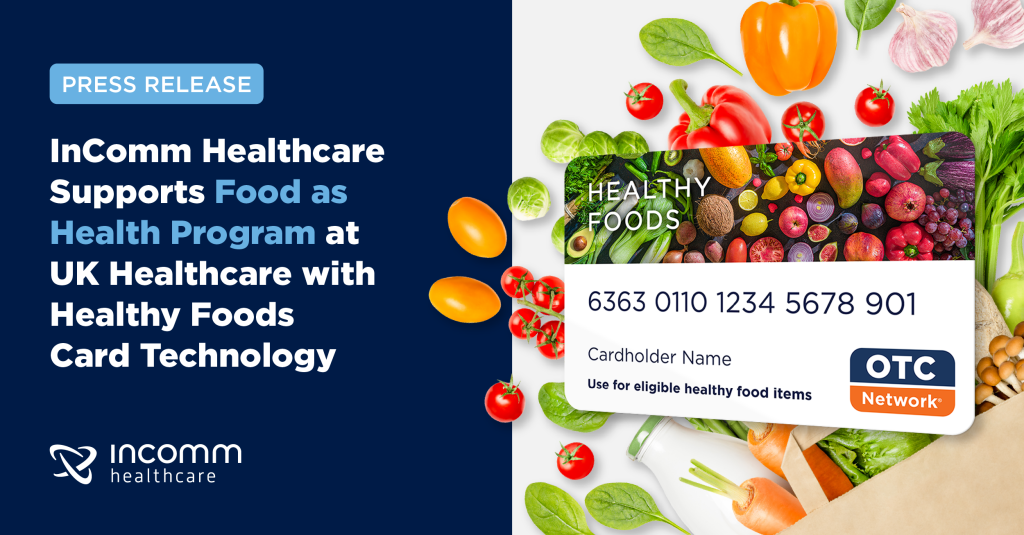
Physical cards provide a familiar way to use benefits at the point of sale, without requiring a smartphone or a separate digital payment setup. Depending on the plan, members may use OTC supplemental benefit cards for approved over-the-counter products or healthy foods benefit cards for eligible groceries. InComm Healthcare also offers card configurations that can bring multiple benefit categories together while maintaining the spending rules for each program.
That simplicity depends on what happens at checkout. Restricted-spend technology can validate eligible products against the plan’s program rules, helping members use allocated funds for the intended purchases. Clear product guidance matters just as much as the card itself: members should know what qualifies before reaching the register.
Retail access is another important part of the experience. The OTC Network® connects participating health plan members with a broad network of retailers and qualifying online and ordering options, depending on the program. In August 2026, Sam’s Club joined the OTC Network, expanding in-store shopping choices for members of participating plans.
What digital benefit tools add to the experience
Digital support can remove uncertainty before and after a purchase. For example, InComm Healthcare’s My Benefits Center portal and app help members check balances, browse eligible products, and locate participating retailers. These are practical tasks that reduce the need to guess whether a purchase is covered or where benefits can be used.
Digital delivery also gives health plans additional ways to communicate benefit information. Clear onboarding instructions, timely balance information, and accessible support can reinforce the value of the benefit throughout the year. The goal is not to make every member adopt a new app; it is to give members information and support through channels that fit their preferences and needs.
Digital wellness rewards: an important next step
Wellness rewards are a particularly compelling use case for faster digital delivery. When a member completes a qualifying activity, such as an annual checkup or preventive screening, waiting for a reward card to arrive can put distance between the activity and the incentive. Faster recognition may help maintain that connection.
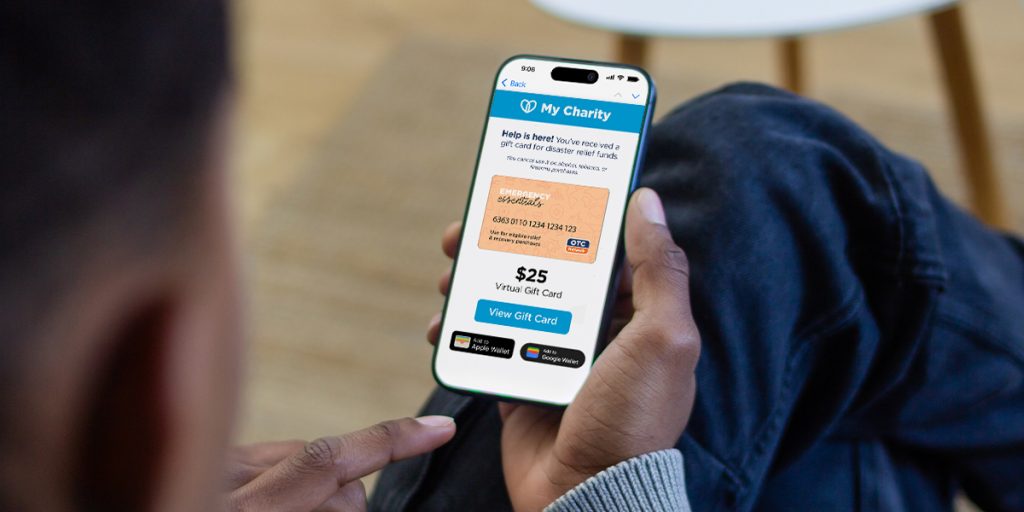
In a June 2026 announcement, InComm Healthcare introduced a digital wellness reward delivery capability for participating Medicare Advantage and Medicaid plans, with a launch planned for January 2027. The planned solution would enable eligible reward funds to be delivered through email, text, or a plan’s benefit app, rather than requiring members to wait for a mailed card.
The company also reported that 56% of respondents in its survey of more than 500 Medicaid members preferred email or text delivery over a mailed physical reward card.
For health plans evaluating future digital reward delivery and wellness incentive programs, the lesson is broader than speed: clearly explain the qualifying action, communicate when the reward is available, and make redemption straightforward.
A connected journey works better than a choice between digital and physical
Consider a member with a plan-sponsored OTC allowance. A straightforward experience can connect four moments:
- Understand the benefit. The member receives clear instructions about the allowance, eligible items, benefit period, and where to get help.
- Plan a purchase. The member can review an available balance, identify eligible products, and find a participating retailer using supported digital tools—or seek assistance through another plan-provided channel.
- Use the benefit. At checkout, the member uses a physical benefit card to purchase qualifying items under the plan’s program rules.
- Get support when needed. If a question arises, the member or a service representative can access relevant account and transaction information through connected support workflows.
This is not a digital-versus-physical decision. Each channel has a different job. The card helps make purchases possible, digital tools clarify the steps, and connected support helps address issues without forcing members to start from scratch.
Program controls should work behind the scenes
Healthcare benefit programs must balance convenient access with clear eligibility and spending requirements. Restricted-spend controls help determine which products or categories can be purchased using program funds. The rules may differ across Medicare Advantage, Medicaid, wellness rewards, and specific plan designs, so the member experience should make those restrictions understandable rather than surprising.
Health plans should also consider privacy, data access, and operational oversight when connecting benefit platforms with member-facing experiences. Secure handling of member information, clearly defined access permissions, and auditable processes are important design requirements. Improved program integrity and efficiency are reasonable goals, but outcomes such as lower fraud or reduced service costs should be evaluated rather than assumed.
Connected systems can make servicing easier for health plans
Member convenience depends on reliable information behind the scenes. When a portal, call center, and card system have different views of a benefit, even simple questions can take longer to resolve.
InComm Healthcare’s APIs support functions such as card activation and replacement, member eligibility and account information, benefit and reward transactions, and retail product tools. Plans can use these integrations to connect benefit capabilities with existing digital and servicing environments.
For plan operations teams, this creates an opportunity to streamline routine tasks and make member information more consistent across touchpoints. Success should be measured in actual member and service outcomes—not simply the number of new technical integrations completed.
How health plans can measure better benefit access
Issuing a card or making funds available is only the beginning. To understand whether delivery is working, health plans can track a focused set of member-experience and operational measures:
- Activation and first use: How many eligible members successfully begin using their benefits, and how long does it take?
- Benefit utilization: Are members using available allowances, and does use differ by benefit category or preferred channel?
- Transaction friction: Which eligibility questions or declined-purchase reasons create difficulty?
- Support effort: What questions prompt repeat calls, and how quickly can members get the information they need?
- Rewards follow-through: For relevant programs, do members understand qualifying activities, receive rewards successfully, and redeem them?
These indicators can highlight where the next improvement matters most. Pairing quantitative reporting with member feedback is especially useful: a low utilization rate may reflect limited awareness, inconvenient shopping options, confusing eligible-item rules, or a combination of factors.
Make delivery part of the member experience strategy
The most effective healthcare benefit delivery approach is not defined by a physical card, a digital interface, or a single reward format. It is defined by how well those pieces work together for the member.
By combining convenient card-based purchasing, understandable benefit information, connected digital tools, and responsive support, health plans can make supplemental benefits easier to access and use.
Explore how InComm Healthcare supports Medicare Advantage supplemental benefits, Medicaid benefits and incentives, and a more connected member experience.
You May Also Be Interested In