How Incentives Can Help Turn Customer Interest Into Long-Term Engagement
Customer acquisition is not just about getting attention. It is about getting the right people to take the right next step.
That is becoming harder for businesses. Prospects are busy, inboxes are crowded, and even interested buyers may delay action. A customer may click an ad, visit a landing page, register for an event, or open an email without moving forward.
The same challenge can happen after the first conversion. A new customer may make one purchase, attend one meeting, or complete one action, but long-term value comes from continued engagement, repeat activity, referrals, and loyalty.
That is where incentives can play a strategic role. When used thoughtfully, customer acquisition incentives and client retention rewards can create a stronger value exchange between a business and the audience it wants to engage.
Interest Is Not the Same as Action
Many campaigns focus on visibility, but impressions, clicks, and form fills do not always show whether a prospect is ready to engage.
A well-timed incentive can help reduce friction by giving prospects a clearer reason to act. It also acknowledges the time or effort being requested.
Incentives can support actions such as:
- Booking a qualified meeting
- Attending a demo or webinar
- Completing a form or application
- Submitting a referral
- Sharing feedback
- Responding to a reengagement campaign
The goal is not to reward every interaction. The goal is to encourage the actions that move the relationship forward.
Match the Incentive to the Ask
The most effective incentive strategies start with one question: What behavior are we trying to encourage?
Not every action requires the same reward. A short survey or introductory call may call for a smaller incentive. A product demo, in-depth research interview, referral, or high-value account action may require a more meaningful reward.
When the reward matches the effort, the experience feels intentional. When the incentive is too broad or disconnected from the action, it can feel transactional.
This is especially important in B2B incentive programs, where the customer journey often includes multiple touchpoints and decision-makers. The incentive should support the journey, not distract from the value of the product, service, or conversation.
Use Incentives Where Customers Drop Off
Incentives are most effective when they solve a specific point of friction.
For customer acquisition, that may mean improving meeting attendance, demo completion, webinar participation, referral submissions, or application completion.
For client retention, it may mean encouraging repeat purchases, customer reviews, loyalty program engagement, referrals, feedback, or renewal conversations.
The best place to start is by identifying where momentum slows down. Are prospects visiting a landing page but not converting? Are leads booking meetings but not showing up? Are satisfied customers not referring others? Are clients skipping surveys or reviews?
Each of these moments may point to an opportunity for a more thoughtful incentive strategy.
Think Beyond the First Conversion
Customer acquisition and client retention should not be treated as separate efforts. The first conversion is only the beginning of the relationship.
A prospect who books a meeting can become a customer. A customer with a positive experience can become a repeat buyer. A repeat buyer can become a referral source. A loyal client can become an advocate.
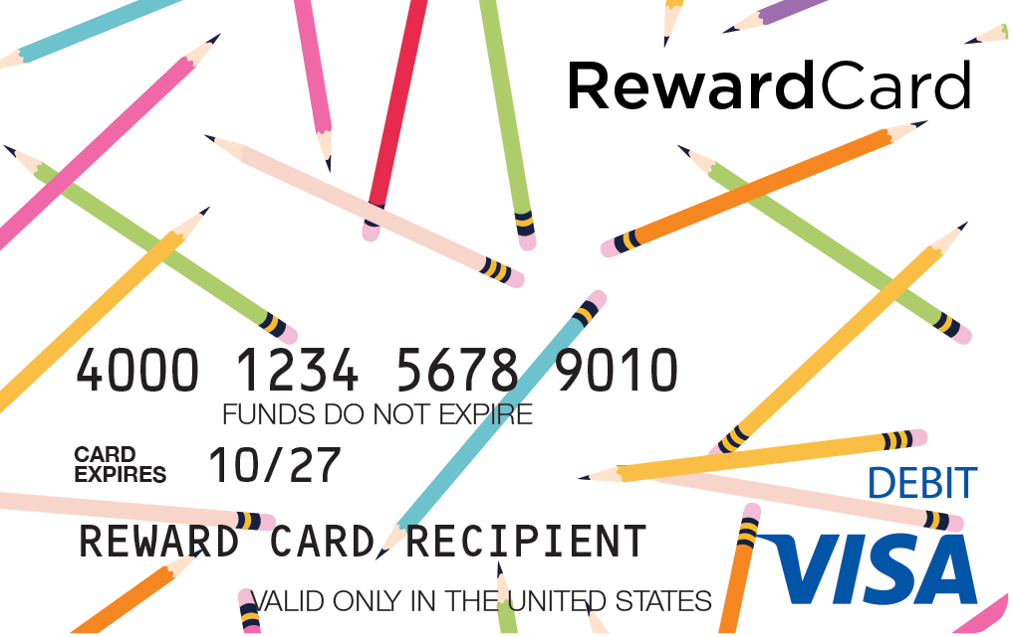
Reward card incentives can help support each stage when they are tied to meaningful actions, from demo attendance and referrals to customer feedback, loyalty participation, and repeat engagement.
Measure Better Action
A successful incentive campaign should be measured by more than reward delivery or redemption.
For acquisition, businesses may track qualified meetings, demo completion, qualified lead volume, opportunity creation, conversion rate, cost per lead, and customer acquisition cost.
For retention, teams may track repeat purchase behavior, renewal activity, referral volume, review completion, loyalty participation, customer satisfaction, and customer lifetime value.
The goal is not more activity. The goal is better action.
Turning Interest Into Long-Term Engagement
Incentives work best when they are used with purpose. They should not be treated as a shortcut or a one-time promotion. They should be part of a broader customer engagement strategy that helps businesses motivate the right behaviors at the right moments.
For customer acquisition, incentives can help move prospects from interest to action. For client retention, they can help keep customers engaged, appreciated, and more likely to continue the relationship.
As businesses plan for fall campaigns and year-end goals, now is a good time to evaluate where incentives could support customer growth, from acquisition and referrals to loyalty, client appreciation, and reengagement.
The businesses that stand out will be the ones that use incentives thoughtfully: to respect the audience’s time, reduce friction, encourage meaningful action, and build stronger customer relationships over time.
Explore how reward card incentives can support customer acquisition, referrals, loyalty, and client retention campaigns.
No fees on eligible orders plus free ground shipping with code FALL26 at InCommIncentives.com.
You May Also Be Interested In